Understanding your exhibition goals
The first thing you need to ask yourself is, “What exactly do I hope to achieve?” Most exhibitors fall into one of several categories when answering this question.
- Lead generation remains the primary objective, with sales teams hungry for good quality prospects. It’s relatively uncommon for deals to be struck on the exhibition floor, but once the dust has settled and everyone has returned to their offices and factories, those leads can start being chased up, or even better, potential clients will start getting in touch with you unprompted.
- For other businesses, brand awareness takes precedence. That’s particularly true when you’re entering competitive markets or repositioning your core business. Product launches can benefit enormously from the exhibition environment. They allow for demonstrations and immediate feedback, with buyers, suppliers and press in attendance.
- Some organisations attend simply to maintain an industry presence. They might not gain a huge amount from an individual event, but just being known as a brand that is part of the sector’s landscape can be enough to provide reassurance to clients and stop them looking elsewhere.
Now, consider your target audience carefully. Who are they? What challenges do they face? How does your solution address their pain points? Understanding visitor demographics helps tailor your approach. A technical audience may respond to detailed specifications and demonstrations, while executives might prioritise ROI.
Establishing metrics for success is also important in advance of exhibiting. These might include:
- Number of qualified leads generated
- Meetings booked with prospects
- Product demonstrations
- Social media engagement
- Press articles
You can never gather too much data, so train your staff to constantly note down interactions and keep abreast of the feedback and follow-up events.
Budget considerations are of course a key part of exhibition planning. Costs extend far beyond the floor space itself. Design, construction, graphics, furniture, technology, staffing, travel, accommodation, freebies and hospitality all need to be accounted for. This figure should form part of your cost/benefit analysis. But always keep in mind that some returns can be slow-burners, happening weeks or months after the event.
In short, any time and effort invested in defining your goals pays dividends throughout the exhibition process. Involve as many people as is necessary at this stage, as it’ll save you many hours and pounds later on.
The research and planning phase
Now you know your objectives, you can start getting an idea of what your stand will look like. If you know exactly where you’ll be exhibiting, begin by learning the venue’s specifications. What are the ceiling heights? Where are the power outlets? Are there weight restrictions on the floors or suspended elements? You will be able to get detailed floor plans from the organisers, so do this as soon as you can.
Competition analysis is also invaluable during this phase. Have a look at what your competitors have done at previous events. Social media and industry publications will showcase exhibitions from your sector. Ask yourself what worked, and what didn’t. Would you benefit from taking inspiration from other stands to blend into the environment, or could you create a buzz by doing something radical? The latter option might seem like the obvious one, but in some conservative sectors, you can turn people off by trying too hard to stand out – they’re more interested in solid, “boring” partners.
Understanding visitor behaviour patterns helps inform your stand layout. Exhibition organisers can sometimes provide data on typical visitor flow from past events. This is a gold mine that lets you position your key messaging where it’s most likely to be seen.
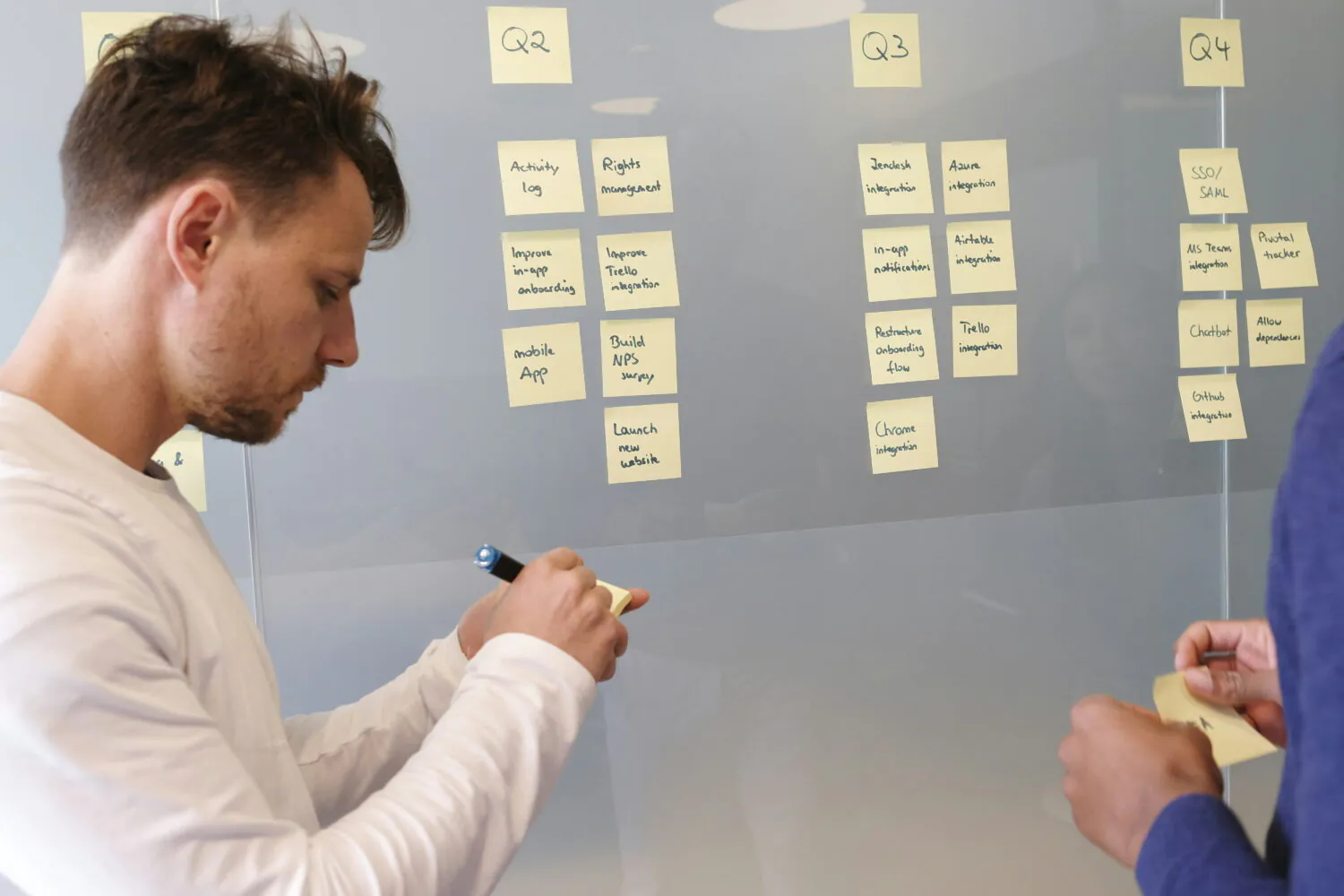
A good idea is to create a comprehensive timeline working backwards from the event. A common exhibition pitfall is underestimating preparation time. There will be revisions, production delays, unexpected slip-ups and shipping issues. The more leeway you have at the end of the process, the better.
Don’t forget to consider logistics carefully. How will your stand components be transported and stored when not in use? What about storage during the event? There are packaging materials, giveaways, uniforms and all sorts of things that need to be stored somewhere once the exhibition has started. Do you know where you’ll park your cars or vans? Will special equipment be required for installation? Knowing such details prevents last-minute headaches.
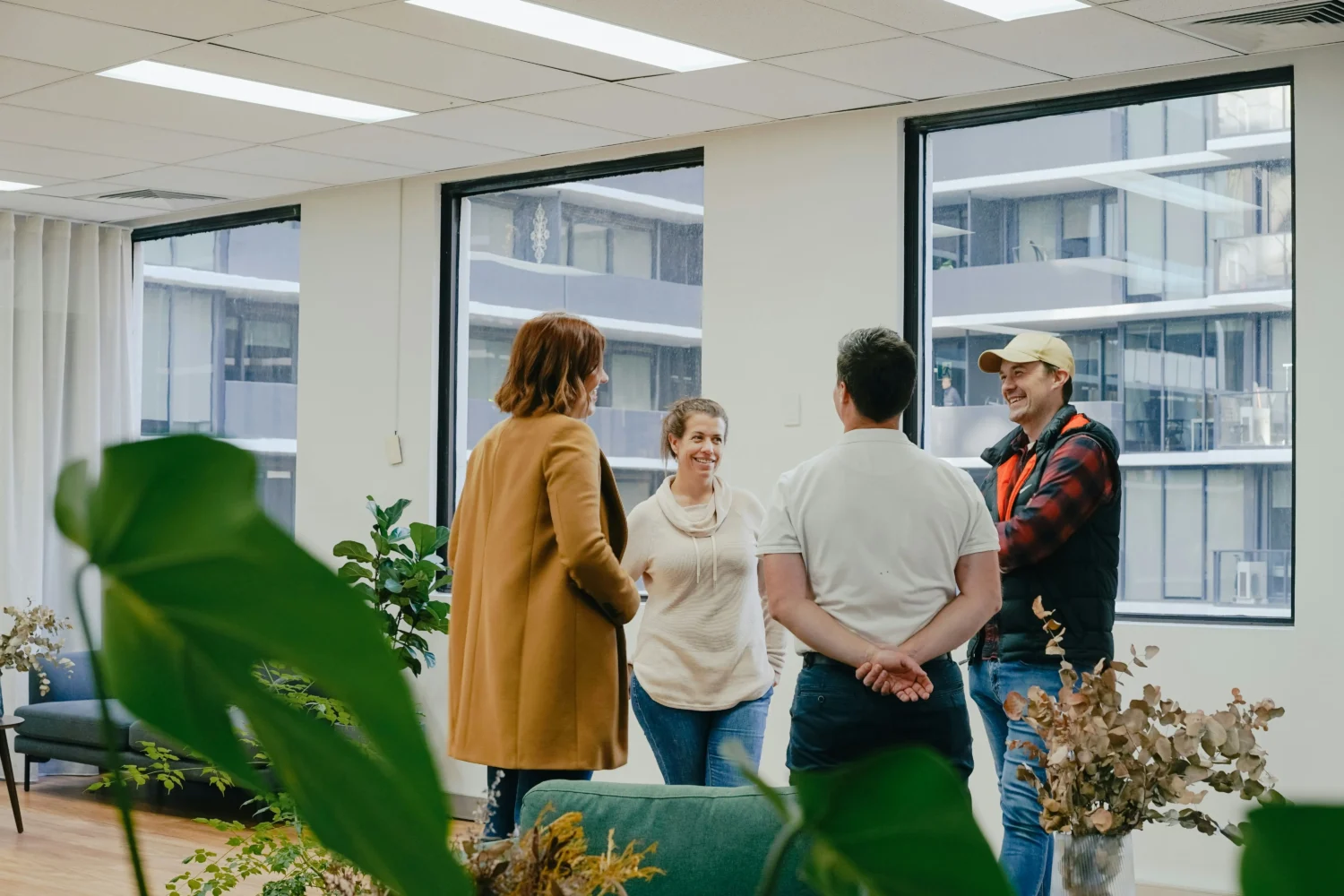
Engage as many stakeholders as possible early in the planning process. Sales teams often understand client expectations better than anyone. Your marketing team knows all about messaging and brand consistency. Technical employees can advise on product demonstrations that truly show their benefits. It all adds up to more rounded, all-encompassing planning.
Design inspiration
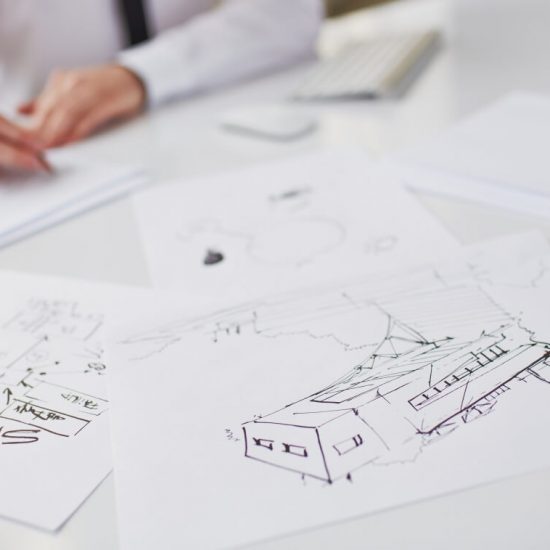
Finally, you are ready to start thinking about what your stand will actually look like. After all, design can only happen once all of the factors above have been taken into account, as they all influence the way your stand looks, fits together and is staffed.
A good place to look first is simply to see what current exhibition trends are. Perhaps you’ve been to multiple exhibitions in your sector, or maybe you’re just using research to find trends. Either way, it’s good to know what’s acceptable, and you might get an idea about how far from the norm you can stray.
Sustainability has moved from a “nice to have” to an essential, with recyclable materials and energy-efficient lighting now expected. Interactive technology continues to be an important presence in the visitor experience, whether that means touchscreens or virtual reality product demonstrations and walkthroughs. Right now, there’s still a trend for minimalism, with clean lines and uncluttered spaces creating impact through simplicity – but that can change.
Study award-winning stands in your industry and beyond. Exhibitor Magazine and its Exhibition Design Awards always feature innovative concepts. Are there elements you could adapt in your space? How would these designs support your business objectives?
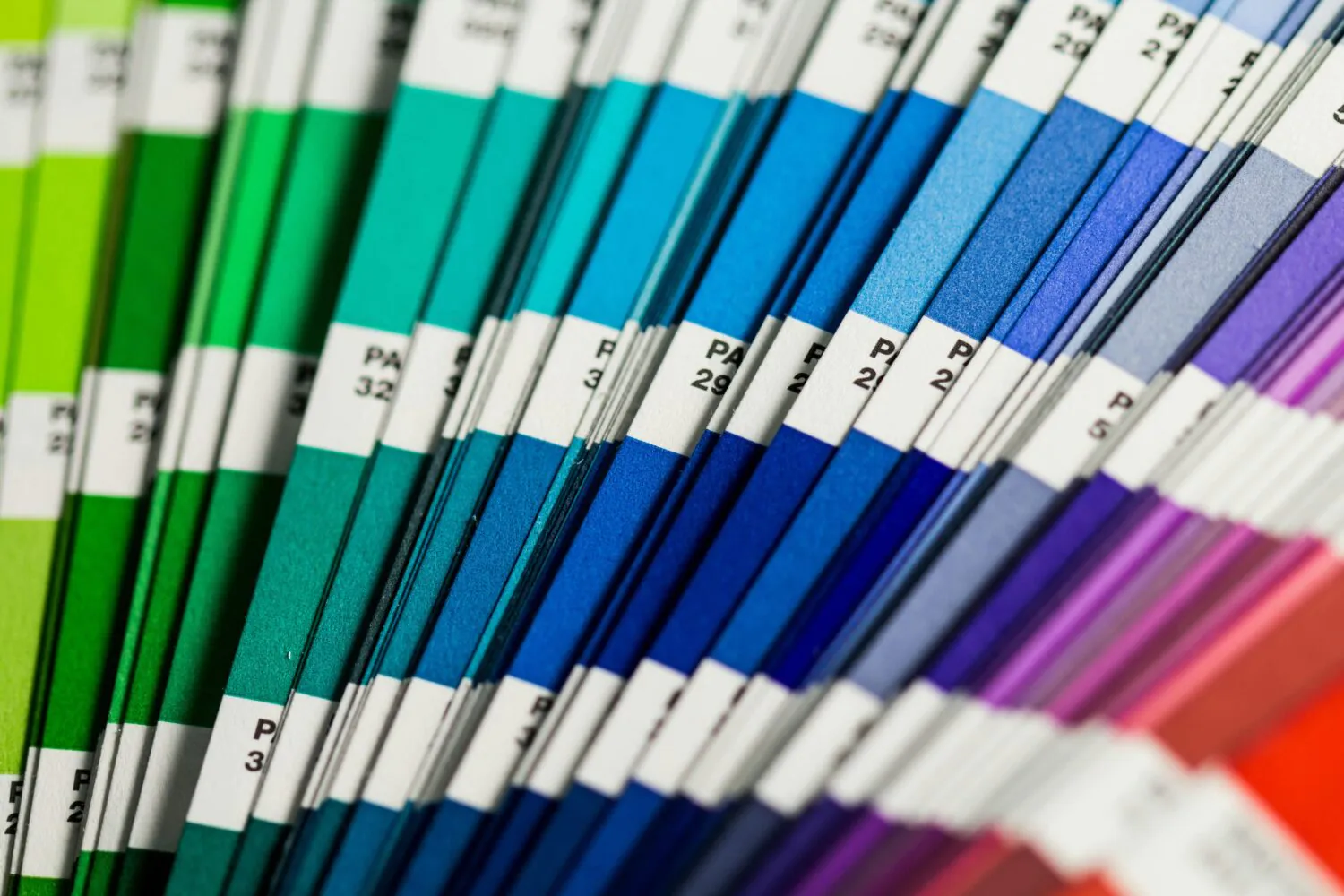
Colour psychology plays a key role in stand design. Choose colours that both reflect your brand identity and achieve your exhibition objectives. Lighting dramatically affects colour perception. Remember, though – what works in your design mockup might appear entirely different under exhibition hall lighting or outdoors.
Through all your design decisions, brand consistency should be at the front of your mind. Your stand should feel like a natural extension of the rest of your marketing and branding efforts, not a standalone component. Visitors who are familiar with your website, products or general massaging should instantly recognise you from your stand. Creativity gives you some wiggle room, but try to stay consistent as much as possible.
Aesthetics and functionality can sometimes feel like they’re tugging each other in opposite directions. A visually stunning stand that doesn’t allow conversation serves no purpose. Similarly, a purely practical stand looks bland and uninviting will fail to capture attention. The most effective designs balance both considerations, drawing enough attention to invite visitors, but revealing new depths once they get there.
Always consider the visitor journey through your space. What do they see first? How are they intuitively guided through the experience? Where do conversations happen? Every design element should support your exhibition objectives, not merely look impressive. It’s possible that guests might turn up when all your staff are talking to other people, so give people something to look at and do while they’re waiting, and let them grab something to take away if they can’t wait.
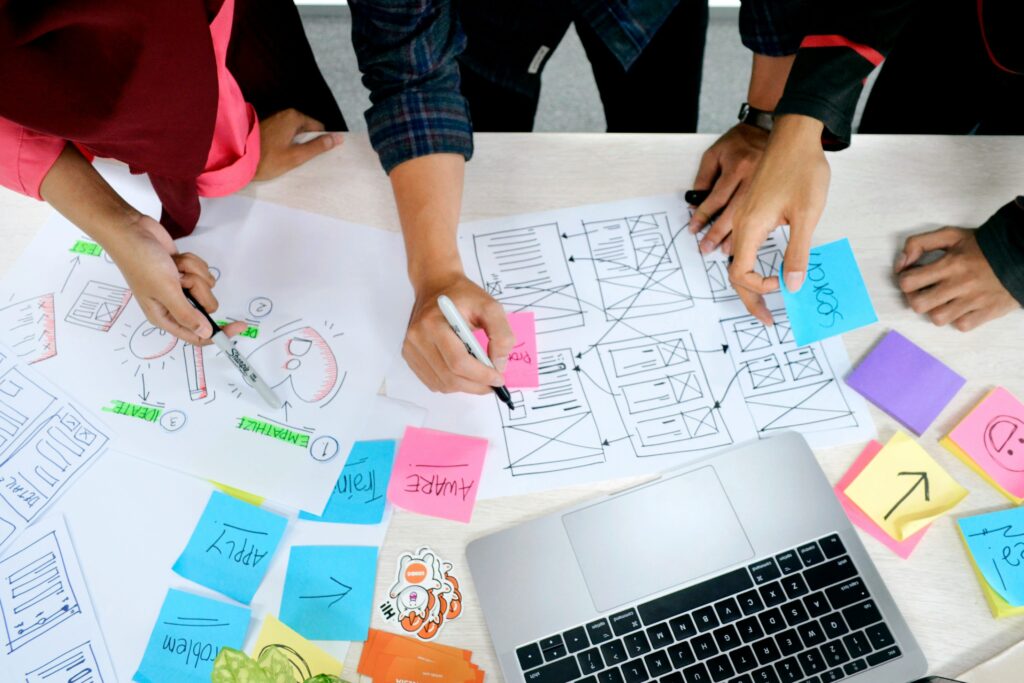
Collaboration between marketing teams and professional exhibition stand designers brings the best results. Marketing understands the brand; designers understand everything about dynamics and visitor flow. Together, they can create stands that both impress and perform.
Stand types and layouts
The shape of your exhibition space configuration dramatically influences visitor engagement. The options seem endless, yet understanding basic stand types helps your decision-making.
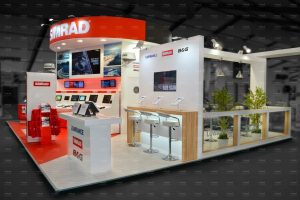
Island stands – accessible from all four sides – offer maximum visibility and visitor flow. They command premium prices but provide fantastic opportunities in any space. They work well for product demonstrations that draw crowds. Peninsula stands, open on three sides, offer many similar advantages, but usually come at quite a lower cost. Inline stands, positioned within rows of exhibitors, only have visibility on one side, but can create intimate spaces for focused conversations.
Flow of visitors should influence every layout decision. Avoid creating bottlenecks where guests congregate and block others’ movement. Position high-interest elements so they draw people through your entire space. Create logical pathways that guide the visitor journey naturally.
Consider flexibility when you’re planning your layout. Exhibition circumstances often change – attendance might exceed expectations or key demonstration areas might prove too congested. Modular designs that allow last-minute adjustments can come to the rescue.
The perfect stand layout ultimately depends on your specific goals, budget and space allocation. What works brilliantly for product launches might be lacking when it comes to conversations with visitors, for example.
Technology integration
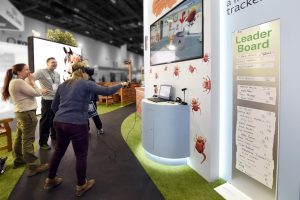
Technology can transform exhibition stands from static displays into dynamic, interactive and more memorable experiences. Interactive displays and touchscreens have revolutionised this space. They allow visitors to self-navigate through content at their own pace, accessing only what interests them. These systems also gather valuable data about which products generate most interest. Touchscreen technology ranges from simple tablet displays to impressive multi-user walls where several visitors interact simultaneously.
Augmented and virtual reality can create memorable experiences. There’s a slight difference between the two technologies: AR overlays digital information onto the real world using cameras, while VR completely immerses the user in a 100% digital world. VR is especially useful for demonstrating things that don’t yet exist, or for showing people spaces outside the sphere of the exhibition hall, such as buildings or landscapes.
Importantly, technology should never be used for its own sake. While it can be impressive, there are times when simply looking at a model or holding an object are more effective. AR and VR do require a little effort from the user, be it downloading an app or putting a headset on. And much can be gained from a simple human conversation.
Technology also requires good planning. You need to calculate power requirements accurately, and that includes charging and changing batteries in portable devices. Technology will often rely completely on a reliable internet connection – do you have a backup plan if it goes down?
Practical considerations
Practical matters might be unglamorous, but they’re essential elements that deserve careful attention. On-site storage is often overlooked, for example. Where will promotional materials be kept? And what about staff’s personal belongings? Bad storage can create a cluttered, unprofessional appearance, so think carefully about furniture and secure places to keep things.
Flooring choices influence aesthetics, functionality and safety of your stand. Raised floors accommodate cables and provide more comfort during long standing periods, but make sure they’re accessible. Carpet tiles have practical advantages, as individual sections can be replaced if damaged or worn. Height differences and stepped platforms can become trip hazards, so ensure smooth transitions between different areas.
Calculate your power needs carefully. All that tech and lighting can add up, and if you’ve got coffee machines and such like, it can really put a strain on your power supply. Exposed cables create hazards and appear unprofessional, so try to route power and data cables where they can’t be seen, with access points that are hidden but easily accessible.
These practical elements don’t win design awards, but they can determine whether your exhibition operates smoothly or descends into chaos. Attention to detail here simply helps keep the stand running smoothly so all your design efforts are not wasted.
Post-exhibition
Finally, work out how you’re going to use the information you will gather to inform your next exhibition, and for the relevant team members (sales, R&D, marketing etc.) to act upon. Only when you know what data you’re going to use can you decide what to collect, and how to collect it. Then, when everything is packed up, you can start the hard work of maximising the effect of the event and calculating its ROI. It’s important to be able to trace any sales or enquiries back to the event, and not to some other channel. In the end, it’s the return on your money that matters the most, and it’s what makes it worth putting in so much effort.