Understanding the basics
First question: what exactly is an exhibition stand brief? Think of it as your instruction manual for stand designers and builders – a detailed document outlining everything from your brand’s personality to the technical specs of the stand. You want to make sure everyone involved in the project is on the same page.
A good brief saves time, money and a lot of headaches. It minimises misunderstandings, reduces the need for revisions and, in short, streamlines the entire process. Key components of a successful brief include:
- Overview: A snapshot of your brand and the purpose of the exhibition.
- Objectives and goals: Clear and measurable targets for what you hope to achieve.
- Target audience: Insights into who you’re trying to attract.
- Budget: A realistic financial framework.
- Specifications: Detailed requirements for the stand.
- Content and messaging: The story you want to tell.
- Timeline: Milestones and deadlines.
- Additional services: Any extra support you might need.
Defining objectives and goals
Before you even think about design elements or spectacle, you need to nail down why you want it, and what you want it to achieve. This is the foundation upon which everything else is built. Is it the usual blend of brand awareness, lead generation and product information? Or something entirely different? Whatever it is, be specific. Vague goals like “increase brand visibility” won’t cut it. You need measurable targets, but start by thinking of the goals themselves. Common examples of goals include:
- Brand awareness: Increasing recognition and recall of your brand.
- Lead generation: Collecting contact information from potential customers.
- Product launch: Showcasing and creating buzz around a new product.
- Customer engagement: Interacting with current customers to strengthen relationships.
- Market research: Gathering feedback and insights from attendees.
Once you’ve identified your goals, prioritise them and where possible, make them measurable. Not everything can be the number one focus, so rank your goals to ensure your stand meets the most critical needs first. Here are some tips on creating concrete objectives:
- Be specific: Instead of saying “generate leads,” aim for “generate 100 high value leads”.
- Be measurable: Attach numbers and metrics to your goals.
- Be realistic: Set achievable targets based on your past performance and industry benchmarks.
- Watch the calendar: Specify the timeframe in which you hope to achieve these goals.
Knowing your target audience
Understanding your target audience helps create an exhibition stand that resonates. After all, if you don’t know who you’re talking to, how can you expect to engage them? Use personas to paint a clear picture of your ideal attendee, including their demographics, interests and pain points.
Some factors that feed into personas include:
- Demographics: Age, gender, job title, company size.
- Location: Where are they? Are they geographically bound?
- Interests: What are they looking for at the exhibition? What topics or trends are they interested in?
- Customer status: Have your targets never even heard of you, or are they existing customers?
- Pain points: What are their biggest challenges or problems that your product or service can solve?
Once you have a picture of your typical visitor, you can start to work on the types of elements that might appeal to them in your stand. Think about factors such as the following, and how they can be used to resonate with your audience:
- Visual appeal: Use visuals that your audience identifies with.
- Messaging: Use messages that speak directly to their needs and challenges.
- Engagement: Plan activities that will draw in your audience and then captivate them, such as demos, presentations and interactive tech.
- Comfort: Include areas for rest if you know your audience values such creature comforts.
- Sensitivity: Are you likely to be discussing private or sensitive subjects? Have a quiet area, separated by soundproof walls from the main stand.
Now, you’re well on your way to creating a stand that not only captures attention but also communicates your message.
Budget considerations
OK, let’s talk money. Budgeting isn’t the most glamorous part of planning your exhibition stand, but it’s absolutely vital. Your budget will shape what’s possible and keep expectations grounded. You can’t do a cost/benefit analysis without knowing the budget.
The role of budget in the design and execution of the stand
Your budget determines everything from the materials and technology to how reusable your stand is. A clear budget range helps designers gauge what’s feasible. Without it, you might end up with grand designs that are way out of your price range, or alternatively, something too basic when you could afford something a bit more attractive.
Providing a clear budget range
Instead of a precise number, give a range. This allows some wiggle room for creativity without stretching finances to breaking point. For example, you might state, “Our budget is between £10,000 and £15,000 depending on the complexity of the design.”
Factors that influence costs
Consider these factors when budgeting:
- Materials: High-end materials like glass and sheet metal will cost more to buy, store, transport and install than, say, fabric or wood.
- Size: Larger stands naturally use more materials and take more time to build.
- Technology: Interactive screens, VR setups and high-tech lighting can eat into your budget quickly.
- Logistics: Transport, assembly and dismantling costs can add up.
By clearly stating your budget considerations, you can get yourself an impressive stand that doesn’t break the bank.
Stand specifications and design requirements
Only now can you get onto the main part of your brief: the stand specifications. This is where you lay out exactly what you want and need in your exhibition stand. Be as detailed and specific as possible.
Detailed description of stand size and layout requirements
Start with the basics. What’s the size of the space you’ve booked? Is it a corner plot, an island or an inline stand? Provide the exact dimensions if possible. Specifics here will be enormously useful to your designers.
Specific design elements and preferences
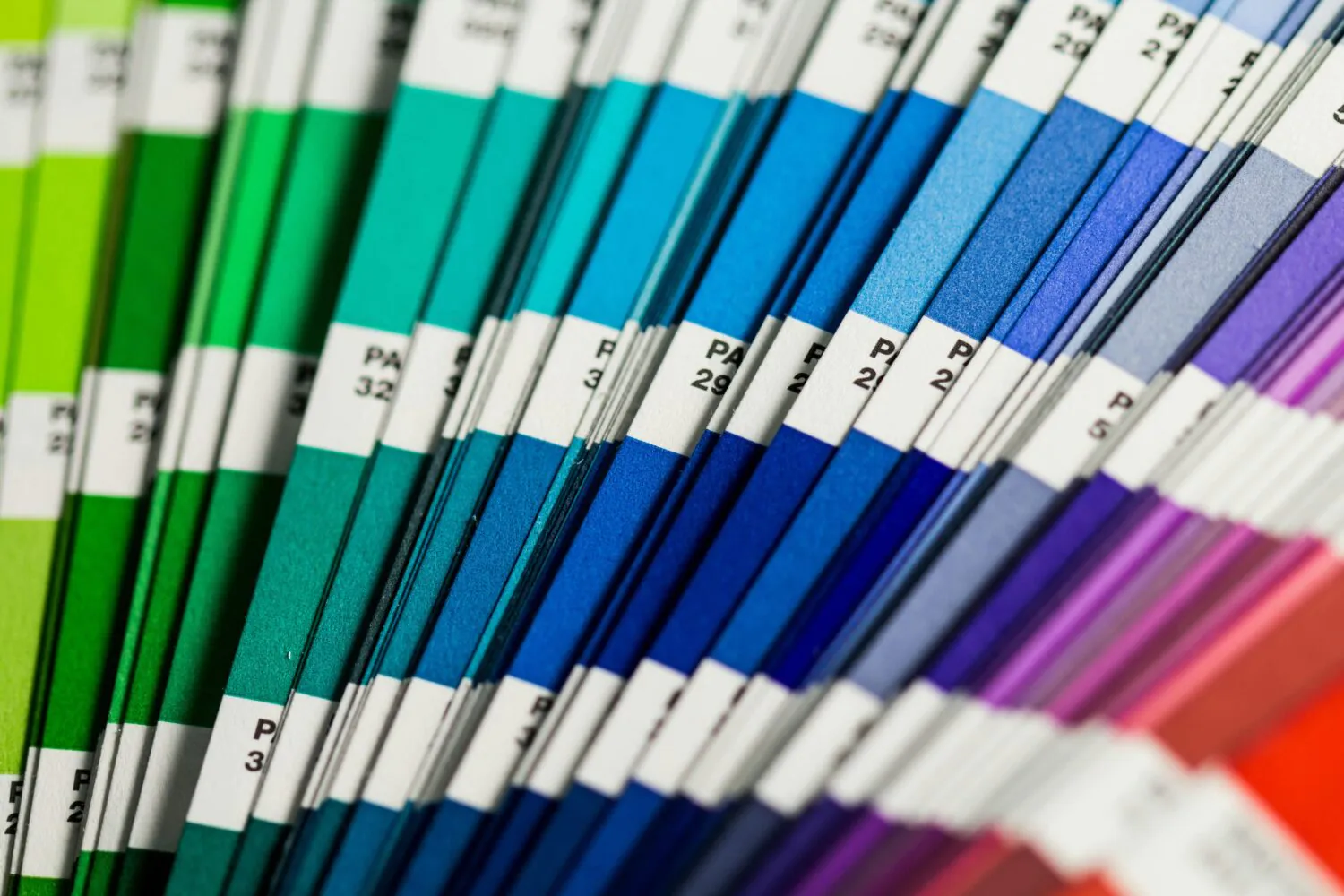
What’s the vibe you’re going for? Modern and sleek? Rustic and cosy? Include any stylistic preferences you have. If your brand has specific colours, fonts or imagery, include those in this section. Don’t forget to provide high-resolution (preferably vector) logos and any other brand assets designers might need.
Accessibility and adaptability
Accessibility is paramount. Ensure your stand is designed to be accessible for all attendees, including those with disabilities. Think about the flow of foot traffic – you don’t want bottlenecks forming around your stand. And if the stand needs to be moved or adjusted during the exhibition, make sure it’s designed with adaptability in mind.
Brand guidelines and visual identity
Your stand should feel like a natural extension of your brand. Include detailed instructions on how to represent your brand’s identity through design. If you have a style bible, share it with your designer. You might want to provide examples of other marketing materials for reference.
Other considerations
Don’t forget these vital elements:
- Lighting: Effective use of lights can make your stand pop. Whether it’s ambient, task or accent lighting, specify your preferences.
- Display areas: Detail areas for product displays, interactive kiosks or demonstration zones.
- Storage: Don’t forget about storage for extra flyers, samples or personal items.
Collaboration with designer/builder
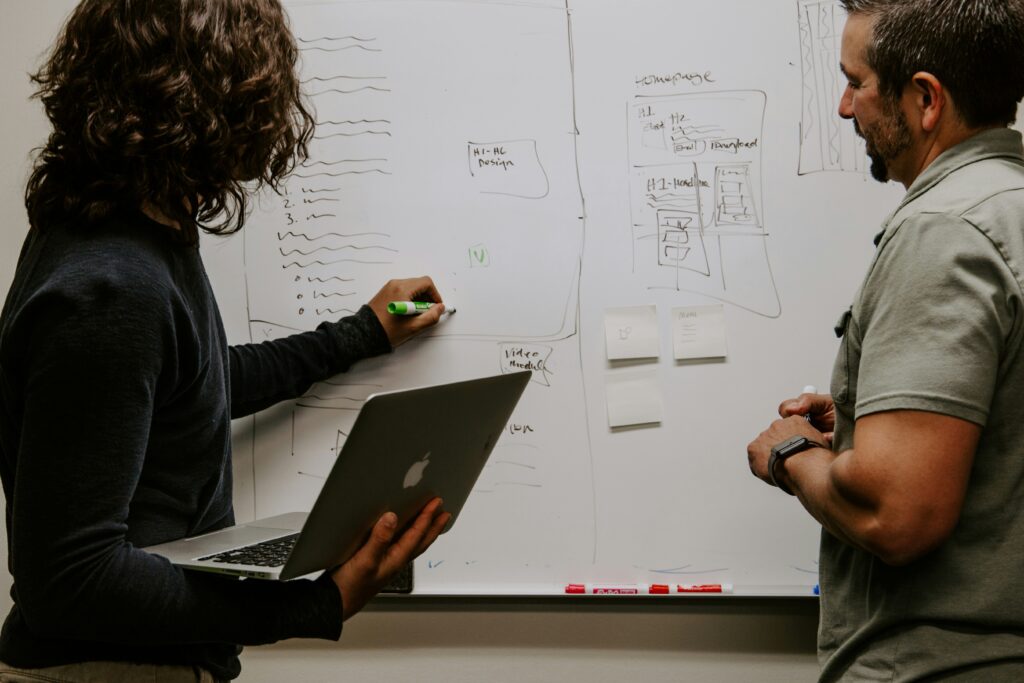
However much research you do, it’s important to recognise your own limitations. Most businesses are not designers or marketers – they have a core product or service that keeps them profitable. That’s why it’s often good to engage designers, marketers and stand constructors early on in the process. They’ll be able to guide you on the dos and don’ts, what is possible, what is fashionable and what types of stands work best in your sector.
How much you want to collaborate with the stand designer is up to you, of course. But we always find it’s much easier to help businesses prepare their brief than for a “completed” brief to land on our desk. There will always be impossible asks that need toning down, and this just adds to the time or budget.
Functional requirements
Beyond looking good, your stand needs to work well. Practicality matters, so think about the functionality you need. Do you need a private area for meetings or consultations? How much storage do you want for promotional materials or personal belongings? Specify dedicated zones for these requirements. If you’re showcasing products, make sure you’ve specced out display shelves, plinths or counters.
Electrical needs, lighting and multimedia
Electricity is the lifeblood of your stand. Outline your electrical requirements, including the number of power sockets and where they are. If you plan to use multimedia elements such as video screens or interactive displays, they need to be included in the electrical plan. Don’t forget to factor in lighting too. It all adds up, and your designer will need to be sure the wiring and number of sockets will be up to the job.
Special features or interactive elements
Interactive features not only attract attendees but also engage them with your brand, offering memorable experiences. Are you thinking about including touch screens, VR sets or live product demos? Detail these plans.
Access and safety considerations
Don’t overlook access for all. Ensure your stand design accommodates attendees with disabilities, offering ramps, clear pathways and wide entrances. Additionally, clear any health and safety protocols, like fire exits, hazard warnings and secure cable management. Consider doing a complete risk assessment.
Content and messaging
Your exhibition stand is a visual representation of your brand, and every element should communicate your key messages cohesively. What are the main points you want attendees to walk away with? Choose two or three core messages that sum up your USP. Clarity is crucial here – too many messages can confuse rather than inform.
How content should be displayed
Consider the content types you’ll be using. Will you have digital screens showing videos or slideshows? Or banners, posters or printed brochures, perhaps? Each has its own strengths, so pick the one that works best for you.
Remember – keep your designs clean and uncluttered. By focusing on clear, consistent and engaging content, your stand will captivate attendees and leave a lasting impression. You don’t want visitors to remember your stand – you want them to remember your message.
Timeline and deadlines
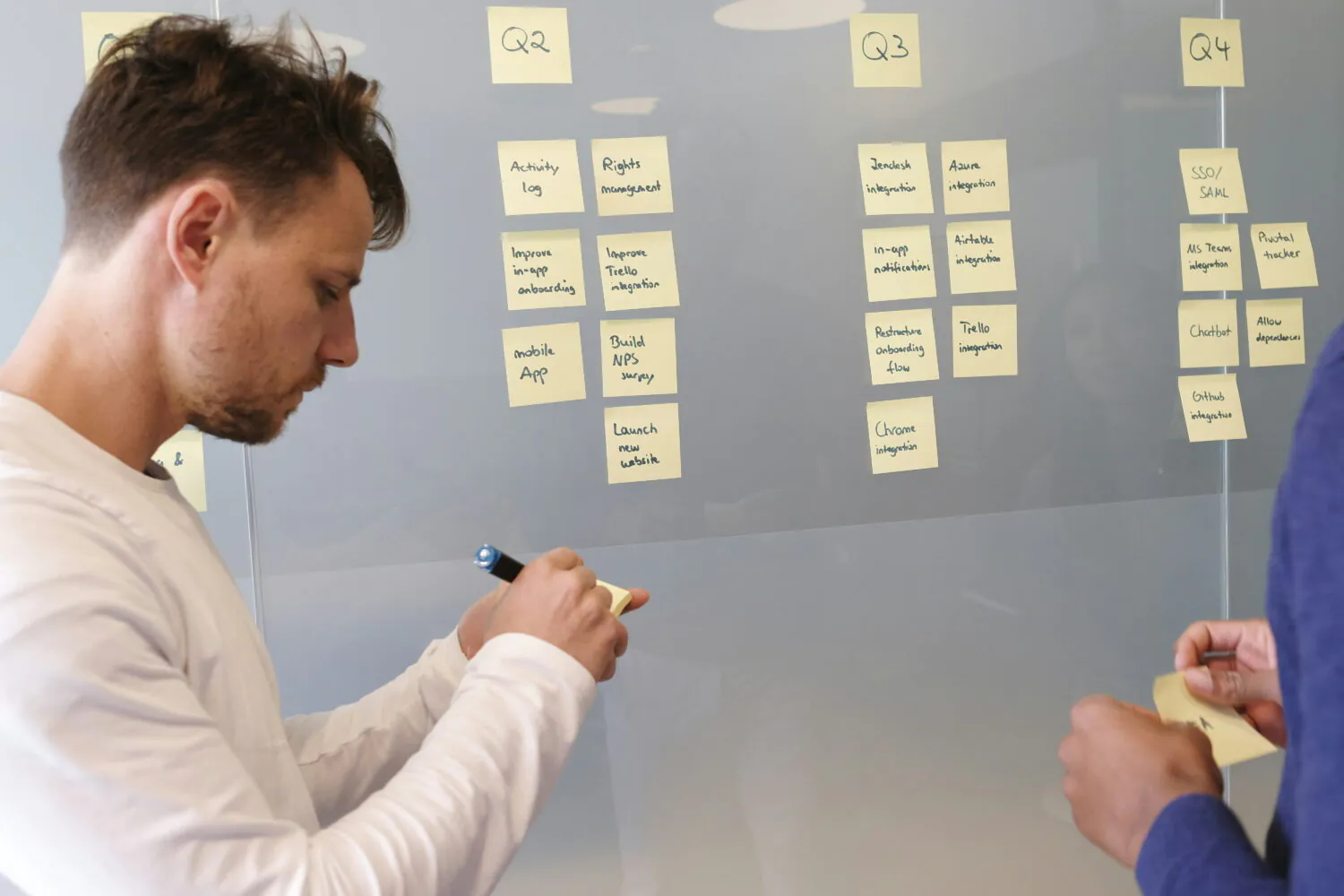
Even the best-laid plans can go awry without a clear schedule. A well-defined timeline ensures everyone involved knows exactly when things need to happen. Setting a timeline helps keep the project on track and ensures there are no last-minute scrambles.
Don’t forget: it’s not just the completion date – it’s knowing that things are in the right place, and that staff are trained up on erecting and dismantling the stand, which often needs a few attempts to get right.
Key milestones and final deadlines
Break down the project into key milestones. These might include concept approval, design drafts, final design sign-off, construction start date and installation day. Outline these deadlines clearly in your brief. For instance, you might say, “Design draft approval by 1st June, final sign-off by 15th June, construction to begin by 20th June, and stand setup to be completed by 5th July.”
Allowing for revisions and last-minute changes
It’s wise to build in some buffer time for revisions and unexpected changes. Life happens, and having a bit of leeway can save stress and ensure everything gets done to the highest standard.
Examples and inspiration
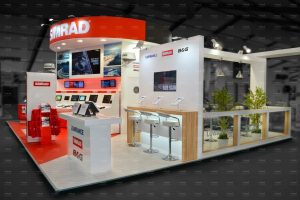
Sometimes it’s just easier to show what you like rather than trying to describe it in words. Including examples and inspirations can provide clarity and spark creativity. Pop in references to other exhibition stands you’ve found interesting. These could be photos, designs or links to videos. Highlight what you like about them – whether it’s the layout, the interactive elements, or the overall aesthetic.
More broadly, you can share any specific elements or themes you’re inspired by. Maybe it’s a creative use of space, a certain colour palette, or an innovative product display. Just a simple “look book” can spark creative ideas in your designer.
Ready to wow your visitors?
Hopefully, we’ve given you all the information you need to give definitive instructions to your exhibition stand designer. They in turn will be able to brief the fabricators to give you the exact stand you want.
This is definitely one of those cases where a little extra work now will pay huge dividends once the wheels are in motion. Make sure all stakeholders have had their say before you start the briefing process, as it’s amazing how often a seemingly trivial comment or opinion can influence a design for the better. If staff members have exhibited before, even if it’s for other businesses in different sectors, pay special attention to what they have to say.
Now all that’s left is for you to await delivery so you can go and make every exhibition a huge success. We’d love to play a role in designing and building your stand, so why not have a look at our portfolio and get in touch so we can get cracking?