That second option is what we’ll be covering in this article. Because getting a toehold in foreign markets can spur you on to incredible things. After all, if your business has already proved that it can thrive in one jurisdiction, why not others?
Before you start, however, a reality check is in order. This isn’t straightforward. There are a number of hurdles to get across before you can be a success in another nation, especially if your sector is competitive and there’s a strong local advantage. But that’s not to say it’s impossible. With some planning, and a full cost-benefit analysis, it’s an exciting and potentially lucrative move. Here’s our step by step guide.
Research the show and the market
If you’re an experienced exhibitor, you’ll already know the importance of this first piece of advice – doing your homework – but the stakes are much higher overseas. You might have taken a punt on a show 50 miles from your location in your own country, and it may or may not have been a success. But as soon as you’re going into a foreign land, the cost implications tip things into the cautious zone.
So as with any event, start by vetting it, getting as much information as possible from the organisers and by analysing past events, if it’s a recurring one. Also, check whether the show attracts genuine buyers – some are just things that the same companies go to every year, with little prospect of making inroads. Try to find out who else is exhibiting, and ask yourself whether your sector is well represented, as a potential target might end up being inappropriate.
The most important part of your research will be understanding the local business culture. Relationship-building techniques vary hugely between, say, Germany, the UAE, the US and China. Spend plenty of time finding out what you should expect of the locals, and what they will expect of you.
Finally, make sure the event doesn’t clash with national holidays or other local events. The organisers themselves might have overlooked something like this, especially if they are not local.
Logistics – getting your stand there
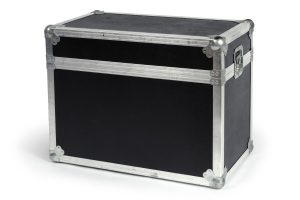
This is where international exhibiting can get complex for first-timers. If you’re transporting your own stand to the venue, you have to know all about freight and shipping. Lead times are much longer than with domestic haulage. However there are specialist exhibition freight companies, which are definitely worth the cost.
If you’re going it alone, you’ll need to be all over the customs and ATA carnets (“passports” for goods) regulations. This documentation means you can temporarily “export” your exhibition materials without having to pay import duties, on the understanding that you’ll be bringing it back. There’s a useful page on the gov.uk website with all the information you’ll need.
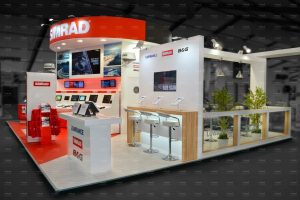
If you haven’t got your stand yet, make sure the exhibition stand designers and fabricators know you intend to ship it overseas. It will influence the design, with factors such as weight, dismantled volume and ruggedness taken into consideration. There are also other factors, such as electric voltages and stand dimensions that can also play a part in the design.
Working with local contractors and venues
Most international venues have an official contractor for services like electrics, rigging and flooring, so you may have limited choice here. It could be that the venue offers shell scheme stands, where they provide the basic frame, and you provide the contents, graphics and displays. This can actually be a good way to save money on shipping, although it’s much harder to stand out or have a stand that fulfills any unique needs you have. It’s also common for venues to have space-only deals, where you have to supply your own stand. It’s vital that you know which format it is well in advance so you can plan your stand.
There are also often union labour rules (particularly in the US), which can affect what your own team is and isn’t allowed to do on the stand. Take the time to discover these before you turn up.
Language barriers are an ever-present in international exhibiting, especially with contractors. Make sure you have drawings, specs and instructions translated, or at least clearly annotated. If you can find a local specialist to help you out, it’s worth it.
It probably costs more than you think
There are dozens of factors that influence the cost, from distance to exchange rates, but if you’re used to budgeting for UK shows, you can conservatively double your estimates, or more realistically triple them. Don’t forget the costs of transporting your team over there and giving them appropriate accommodation, which itself can account for a large proportion of the budget.
However, if budgets are tight, you can save considerable amounts by seeking out local businesses who specialise in working for overseas exhibitors. They can often do pretty much everything, so you just have to turn up. Most will offer a bespoke service, so you can dial up or down how much involvement you have. Ask the venue for recommendations.
Staffing and visas
Exhibiting is generally classed differently from working, but rules vary when it comes to visas and work permits. We’d strongly urge you to take no chances and check local laws in advance.
Cultural differences will extend far beyond language barriers. Make sure you have thoroughly schooled your team in etiquette for the destinations. If you can hire specialists in the UK before you go, you can make sure there are no awkward situations. If language will be an issue, a human interpreter is worth their weight in gold, especially if they understand your sector. Translation technology is getting better, but it’s not quite there yet.
Another important consideration is jet lag, or even just the effect on the human body of long periods spent travelling. Try to acclimatise your team for a few days before you get started. It’s a good chance to try out those social rules before you get going.
Other than that, it’s identical!
All of the above covers the differences, but don’t let the novelty or the complications make you forget that you’re there for a reason – to get leads, win clients or make inroads into the new territory. In that respect, the goals are pretty much the same as they are when you’re exhibiting locally. You should have a plan, and you should know what success looks like. You’ll also need to gather contact information and follow up on leads, just as you always do.
As the costs are bigger, the potential benefits also need to be bigger. The better your plans, execution and follow-up, however, the more likely it is that your overseas exhibition will pay dividends.