Choosing the right exhibition
Selecting the right exhibition is probably the most important part of the process. So, how do you make the right choice? First, you need to decide what you want your stand to achieve. It doesn’t matter if it’s a one-person corner kiosk or a two-floor game-changer – if you don’t know what you’re exhibiting, it will never have the right focus. Read “10 reasons why your business needs an exhibition stand” to help with your decision.
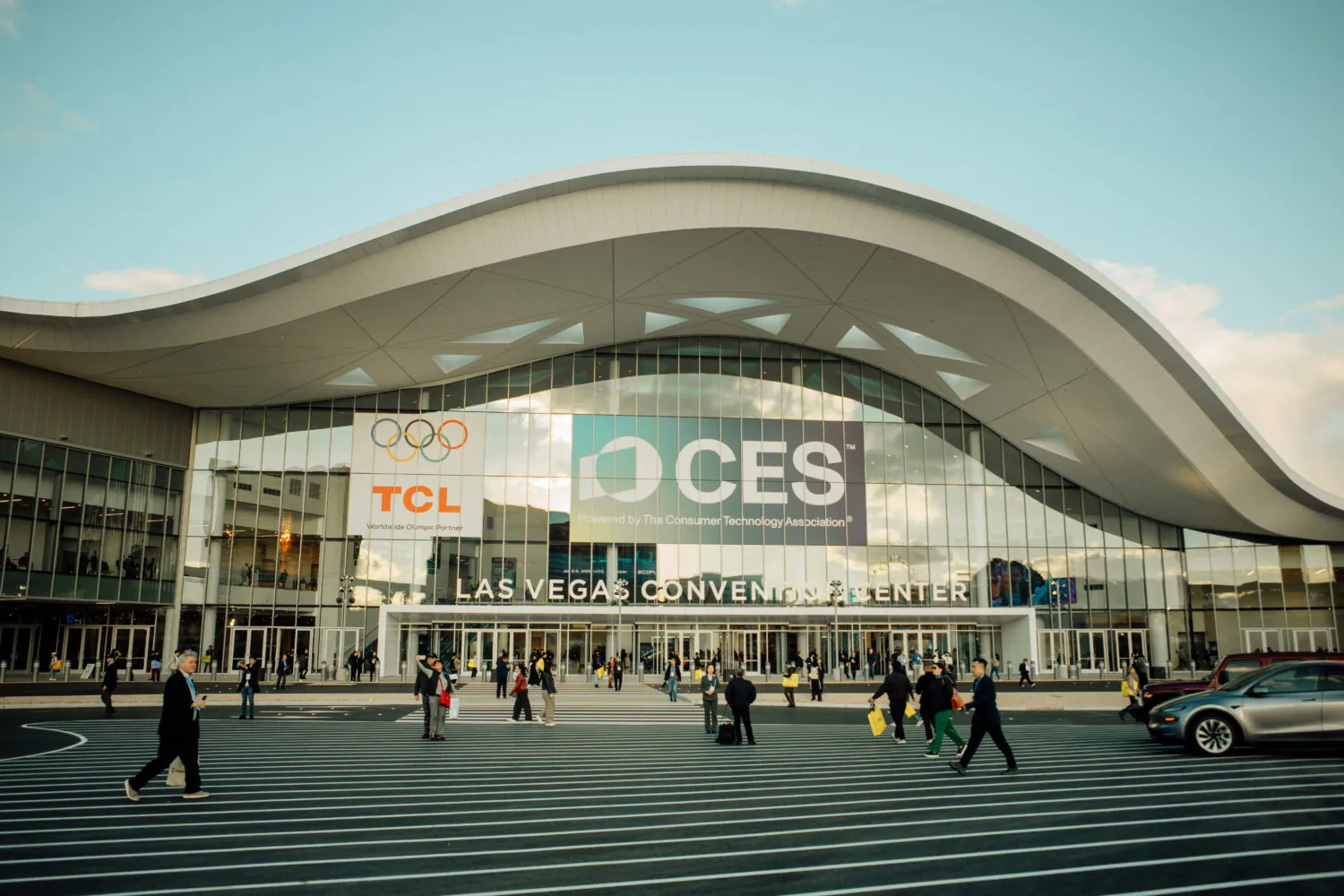
Next, you can start researching potential shows. For each one you find, ask yourself: Does the show align with my industry, and will it provide access to a relevant audience? Research the event’s history by examining past attendee demographics, which are often available through the organiser’s website or event reports. Find out if your competitors are attending. That is often a strong sign that your presence is also warranted.
Why choose a small exhibition stand?
There are several key reasons why a small stand might be chosen over a large one. Typical justification includes:
- Cost effectiveness: small stands generally cost less to design, build, set up and store.
- Smaller risk: Sometimes, it turns out that exhibiting just doesn’t work in a certain sector. A small stand is a perfect “toe in the water” to judge the sector’s receptiveness.
- Flexibility: Smaller stands simply fit in more spaces, where other stands wouldn’t fit. Areas of 100% footfall, such as entrance areas, can often be quite cramped, but are excellent places to exhibit.
- Necessity: Perhaps you simply don’t need big graphics, hands-on displays and seating areas. Some stands exist just to hand out samples and demos.
- Making a point: If your business is all about efficiency, ecology and leaving a small footprint, a small stand could provide the perfect messaging.
Designing small exhibition stands
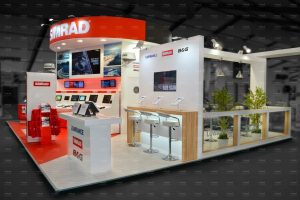
Small exhibition stands demand a blend of creativity, functionality and efficiency. Limited space shouldn’t be seen as a hindrance, but as an inspiration for innovative thinking. It Forces each component of your stand to serve a purpose, contributing to an engaging and coherent overall impression.
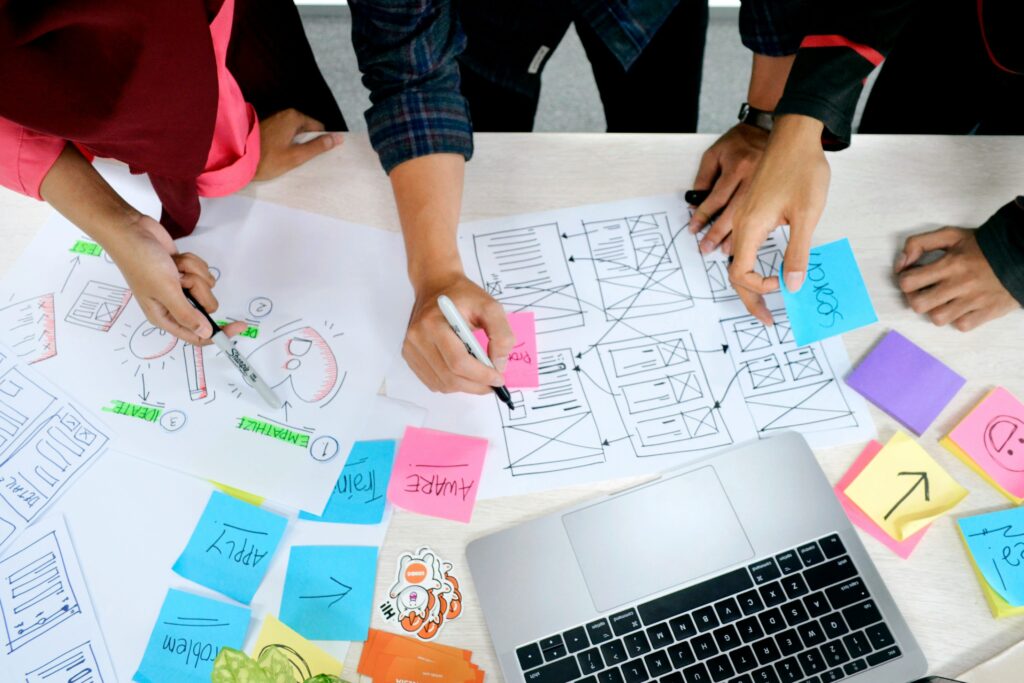
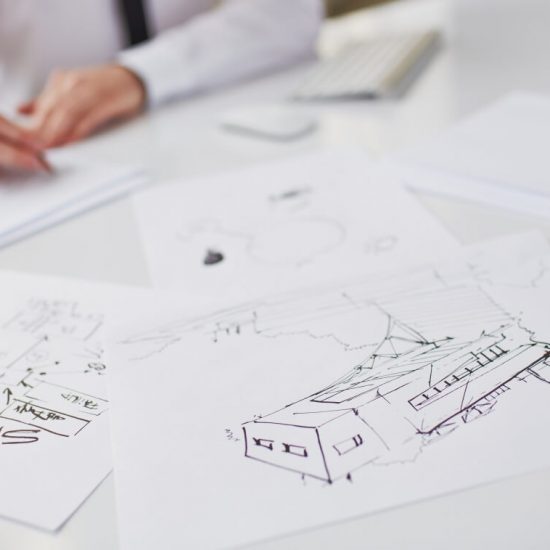
Begin by mapping out a blueprint of your stand layout. The planning stage is an opportunity to make the most out of every square metre, as even the smallest details can have a significant impact. Essential furniture is a must, but there’s no room for redundancy. Stools and compact tables are preferable choices over bulkier options like armchairs or large desks, which can dominate a small space and create a cramped atmosphere.
Effective design starts with compelling visuals. Bold graphics magnify the size of the stand in the mind’s eye. Opt for large, colourful graphics without excessive visual noise. High-level branding elements such as hanging signs allow your message to stand out above people’s heads. These features can transform a small footprint into something that feels much larger and more prominent.
Lighting is another critical aspect that’s often underestimated. In the typically dim ambiance of exhibition halls, clever lighting can illuminate and enhance your stand’s appeal. Use LED spotlights to highlight key areas or products. If your stand’s theme or product lends itself to it, consider using coloured lights to evoke certain moods or atmospheres, adding an engaging layer to the visitor experience.
To maximise your limited space, consider integrating components like literature racks and display cases. Built-in shelving or concealed storage not only clears floor space; it can also contribute to an organised and inviting environment. It all stops your stand from feeling cluttered, maintaining a sleek and professional appearance.
By addressing both these aesthetic and practical elements of your stand’s design, you optimise your small space’s impact, ensuring that it is not only functional but also memorable to visitors.
Embracing technology
Incorporating technology into your stand can offer a dynamic experience that traditional displays cannot match. As technology continues to evolve, so should your approach to integrating it into your exhibition strategy. That’s one reason why it’s good to partner with a professional exhibition stand designer – they will have their fingers on the pulse when it comes to the latest technology.
Interactive elements such as VR or AR can be force multipliers in the small space. For example, a VR headset showcasing a virtual tour of a product can provide an engaging, interactive experience that would be impossible with a traditional demonstration. High-tech solutions may demand a higher initial investment, but their ability to draw crowds and create memorable interactions can be invaluable.
For businesses on a tighter budget, simpler technological additions can still provide significant value for the smaller space. Tablets and other touch-screen computers can be used to display digital brochures, interactive catalogues or customer feedback forms. When not being interacted with, screens can simply be showing messaging that draws people in.
Overall, digital engagement should be aligned with your business goals; tech installations should ideally reflect your brand or product offerings, and should never be used just because everyone else is doing it. When used well, it can create opportunities to differentiate your stand, presenting your brand as forward-thinking and engaging without consuming much of your limited space.
Staffing: roles and responsibilities
The team present at your exhibition stand is as crucial to its success as the physical stand itself. Their interactions define the impression your company leaves on visitors. We’ve written extensively on manning stands, so please have a read of this article if you need deeper insights.
Overstaffing is a common error that leads to a crowded, uninviting environment – so in a small space, this can be even more pronounced. A well-coordinated team with clearly defined roles projects professionalism, which enhances visitor experience.
When assigning roles, consider the tasks that need to be covered, such as:
- greeting and interacting with guests
- showcasing products
- managing demonstrations
- answering technical questions
- recording visitor details for follow-up
It’s essential that staff are well versed in the brand’s core messages and products. Their ability to convey information clearly and answer questions confidently will work wonders for your brand’s credibility. Encourage staff to remain approachable and attentive. Looking at their phones or having personal conversations with other staff members can signal disengagement to visitors.
The ultimate goal for staffing is to create an atmosphere of hospitality and engagement. When the staff are motivated and clear on their roles, they can create a dynamic, interactive experience for visitors, leaving a positive and lasting impression of your brand and its offerings.
Creating an inviting space
An exhibition stand’s effectiveness is determined by more than just its physical design; the atmosphere it creates is equally important. A small stand can effectively draw in visitors by ensuring the space is welcoming and easy to navigate.
Begin by maintaining an open layout that encourages visitor flow. Avoid barricading the entrance with furniture or displays; instead, position these elements toward the rear or sides, guiding visitors naturally into and through the stand. This approach not only makes the stand accessible but also maximises the area available for interactions.
Psychology plays a role here: people are more likely to step into spaces that are perceived as open and inviting. Consider creating focal points or designated stations that invite exploration, such as a demo area or a central display featuring a key product.
Offering incentives can be an effective way to encourage engagement. Small gestures like complimentary refreshments, such as coffee or sweets, can draw foot traffic to your stand. For promotional items or giveaways, aim for quality and relevance. Items like branded reusable water bottles or eco-friendly tote bags can leave positive impressions long after the event has concluded. The aim is to cultivate a welcoming environment that encourages genuine interaction, making visitors feel comfortable, valued and curious about what you have to offer.
Maintaining tidiness and efficiency
In the constrained footprint of a small stand, clutter can quickly accumulate. It takes away from the stand’s appeal, which is why it’s vital to maintain tidiness throughout the event. Develop a storage plan for personal items, promotional materials and essential documents. Built-in storage solutions within the stand are perfect, providing convenient access without occupying valuable space. Keep surfaces clear of unnecessary clutter, reserving display areas for key promotional materials or interactive elements.
Assign the responsibility of stand maintenance to at least one of your team members. Part of their role should include regularly tidying the stand to ensure it remains inviting and accessible. Implementing simple habits can also aid in maintaining cleanliness. Encourage staff to pick up items immediately after use and to perform quick clean-ups whenever there’s a lull in visitor numbers.
Generally speaking, you should consider the visual presentation of your products and promotions. Strategically arranged items tend to be more appealing and easier for visitors to navigate, compared to a haphazard or overcrowded arrangement.
Environmental and sustainability considerations
In an age of environmental consciousness, the sustainability of your stand can be a selling point that resonates strongly with certain visitors. Exhibition attendees are now more mindful of the environmental impact of the businesses they engage with, so demonstrating a commitment to sustainability can enhance your brand’s image.
Having a small stand can in itself promote this message, but you don’t have to stop there. Consider using eco-friendly materials and suppliers when designing and building your stand. Many exhibition components can be sourced from recycled materials or constructed to be reusable, minimising waste after the event. Modular designs that can be easily reconfigured or expanded for future events have a great sustainability bonus.
The environmental approach can also extend to the giveaways you choose. Select items that are not only practical but also sustainable – examples include bags for life, bamboo utensils or seed packets. These items offer utility to visitors while aligning with broader eco-conscious messaging.
Energy efficiency is another consideration: LED lighting is a given nowadays, but you can make it even more sustainable by using motion sensors and minimalistic lighting in certain areas. There’s a balance to be struck between eco vibes and drawing in customers, but it can be achieved by working through it logically.
During and after the event
Once your stand is operational, focus on day-to-day operation and attendee engagement. Ensure staff stay proactive, with consistent energy and readiness throughout the day. That probably means planning for meaningful breaks if it’s a long shift. Don’t succumb to the temptation to understaff the stand just because it’s small.
It’s always worth periodically re-evaluating the layout and operations as the day progresses. Adapt as necessary if it becomes obvious that there are choke points or any other element that’s restricting the number of quality visitors. Have a plan B.
Make sure you get the most out of every lead – that’s why you’re there, after all. It’s useful to use digital sign-ups or scannable QR codes for more information or to register for newsletters. Ensure all visitor interactions are documented in your CRM, as these will be invaluable for follow-up once the exhibition is over.
After the event, debrief with your team to evaluate success against your objectives. Look at what resonated with visitors and what attracted engagement, and identify any areas that need improvement. Consider a further debrief a few weeks later, to gauge how many leads have moved along the funnel. This feedback loop will inform future exhibitions, so each show is more successful than what came before.
Do you know where your stand will be stored when not in use? Safely packing, transporting and storing your stand components will protect your investment, make setup easier next time, and prevent costs for repairs or replacements. Have a checklist or a detailed inventory for the process.
Don’t overlook the small stand
There’s plenty to be said for a small exhibition stand, so you mustn’t automatically assume a larger stand makes a bigger bang. Location, efficient use of space and well-trained staff can amplify the effectiveness of a relatively small kiosk in the busiest of events. Whether you’re going small because of budget or it’s a strategic decision to be different, work with the exhibition stand experts and you’ll greatly enhance your chances of success.