Choosing the right show
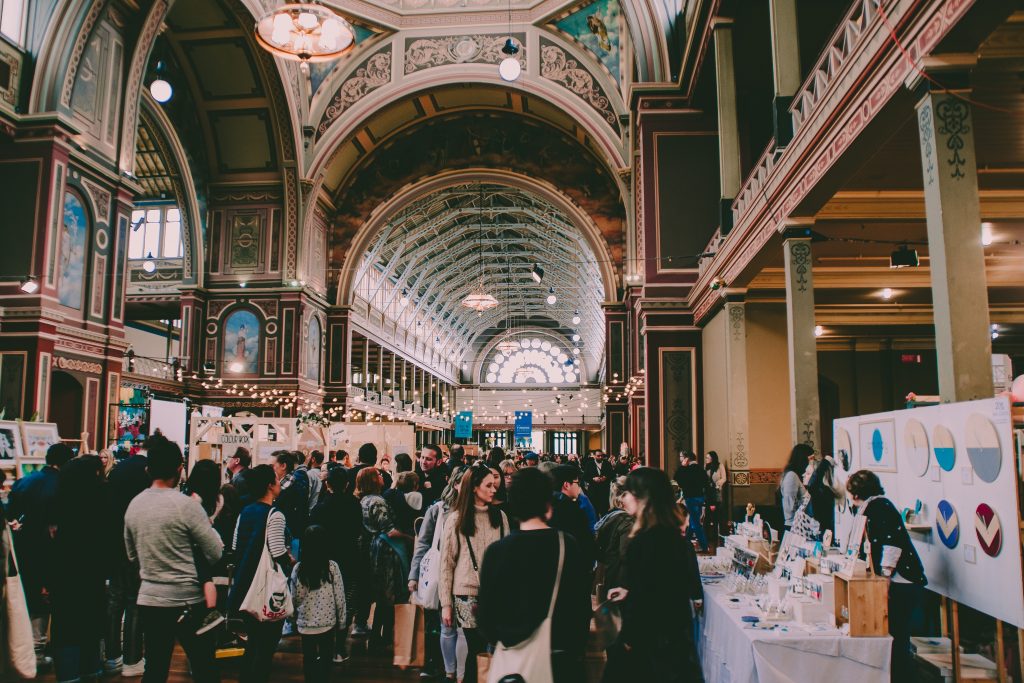
Wherever you choose to exhibit, the first consideration has to be to select the most appropriate exhibition. You’re probably looking to tap into a specific sector, so that’s where you should aim your sights. Of course, it doesn’t necessarily mean it’s your sector. Software, financial services and logistics companies might be targeting all sorts of sectors. But it’s a good idea to focus your attention on a small selection of verticals so you can concentrate your efforts on satisfying their unique needs. It will make you much more informed when you’re face to face with buyers, sellers and potential partners.
The USA is a big country, and various industries tend to congregate in certain regions (Silicon Valley being a well known example), so geography is a key consideration. You’ll probably already know where your industry does its business stateside. The Trade Show News Network (TSNN) is a great place to start researching if you’re new to exhibiting.
Planning your timeline
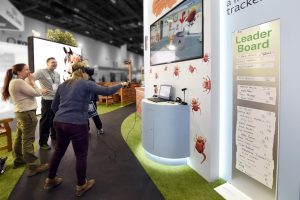
You don’t start planning an exhibition the week before it starts. It can take up to a year to plan if you want to do it properly. The most pressing need is a stand, which can mean a custom stand, a modular setup or something off the shelf. That said, at some exhibitions, they’ll be able to provide you with a basic stand, which you can make your own using images, displays and interactive tech.
Make sure you know everything about your space well in advance. Things like floor space, access, power needs, lighting, parking, time allowed for setup will put constraints on your design, but that can help you make decisions more quickly. The venue will include all of that info in your contract, but it’s another reason why you need as much notice as possible.
Designing your stand
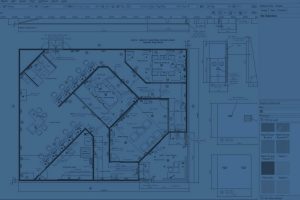
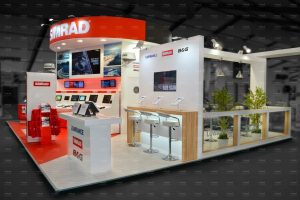
Once you know the nature of your space in the exhibition hall, you can start to design your stand. It’s a specialist job, which is why our designers work alongside our clients and our constructors to ensure everything goes to plan.
For most exhibition spaces, there are three basic designs – booth, peninsula and island. Booths are like terraced houses, with one side facing the hall; a peninsula will have two or three open sides, with one side against the wall or an adjoining stand; and an island stands on its own, with 360-degree access. The layout will determine how you arrange your graphics, furniture, lighting, flooring and any specialised areas of the stand.
With all this in mind, it’s important to know what your goal is at the exhibition. If it’s demonstrating a product, make the demo area the most prominent space. If it’s discussing your product and chasing leads, secluded areas with comfortable furniture can be beneficial. Again, your stand designer will have plenty of experience of maximising spaces for certain purposes.
Budgeting
It’s important to factor in the entire cost of the project, as it’s easy to overlook some expenses that can become quite high. Naturally, there’s the cost of designing and building your stand. But don’t forget to consider storage, transportation, energy costs, connectivity costs, marketing, stand repairs and cleaning, and drayage, which is moving your equipment from the loading bays to your location, which might not be included in the price.
Staffing costs include salary, uniforms, accommodation, sustenance and insurance, but it’s also worth remembering that while your staff are at the exhibition, they’re not at their usual desks, labs, workshops or offices. That could incur a temporary replacement cost, or it could mean that you could take a financial hit because they are not being directly productive.
Training your team
The people who will be manning your stand are no doubt experts in their field, but that doesn’t automatically translate into good performance at the exhibition. With your goals in mind (as mentioned above), set up a US-focused training programme so you can be sure they’re getting the most out of every encounter.
You can start with a basic elevator pitch, so they can rattle off your USPs without thinking about it – although making it sound natural is a skill in itself, which ironically works best with practice. Do some role play exercises, covering the types of questions they’ll be expected to face, and the questions they themselves should be asking.
An important job for the staff is to gather leads that can be chased up later, so this should be a key part of the training. Make sure they know how to take data, while staying within the privacy laws of the jurisdiction. That will involve full training on the technology used, whether that’s manual entry on tablets, badge scanners or traditional methods.
Setting up
Preparation is everything. You will probably have a relatively small window between the venue’s back doors opening for exhibitors and the front doors opening for attendees. That’s why it’s vital that your team practises how to set up the stand, and where all the pieces of furniture and displays go. At least two run-throughs should iron out any complications.
Also, make sure you have found out exactly where you can park your vehicles during the unloading phase, and during the event itself. Events in city centres might have limited parking, so you may need to arrange overnight parking elsewhere.
After the show
An exhibition is a means to an end, not an end in itself. It’s about putting your name out, gathering contacts, and following up on the connections you’ve made. A single meeting at an exhibition might take months to germinate into something positive, but that’s what makes them so exciting and full of potential. You could make a connection that becomes a key client, partner or supplier that pushes your business to a new level. It all comes down to how well prepared you are for that all-important face-to-face meeting. The USA might be a competitive place to do business, but if you can crack it, you’re well on your way to that next step.