Set clear goals before you go
We all know the script. You attend an exhibition in your sector, get hit with fear of missing out, and leap feet-first into exhibiting your own business. While it’s great that you’ve recognised that there’s a benefit to setting up at a trade show, this approach can also lead to a nagging feeling of deflation after the event. You might well ask yourself what you achieved, if anything, and whether it was worth the money.
The solution here is to spend a little time doing a cost/benefit analysis for appearing at a particular exhibition. If you’ve been in business a while, you should have started to get a feeling for the value of a single lead. For example, you might know that every twenty quality leads becomes one regular customer, and how much revenue an average customer brings in. Then you can work out how many leads you need to make to justify the cost of exhibiting.
It’s a rough calculation, which ignores the soft wins and the experience of being at the event, but that’s not really the point. The point is to set a benchmark that you can measure success against. When you do your second exhibition, and third, you can see if you’re improving. As the numbers build up, you can try new things and see what works and what doesn’t.
Focus on your stand’s design
You might have a proposition that would have customers queuing at your door, but if they never set foot in your stand, nobody benefits. The design of your stand is a key factor in getting customers so you can measure success.
Each industry has its trends and expectations for what a stand looks like and how it functions. It’s a good idea to get a feel for what that is, then work out how to make yours different while remaining within the bounds of taste in your sector.
There are a few non-negotiables, however. Prominent branding is a must, and it should be visible from a distance. A positive, welcoming appearance is also essential, so try to keep things as open and clutter-free as possible. The thing you are pushing should also be impossible to miss, and if you can weave benefit-led messaging into the appearance, you’re bound to pique the interest of passers-by.
Train your team
Once guests have been tempted over the threshold, the next point of contact is your staff. They should know everything there is to know about your products or services, their benefits, the costs, and basically anything they are likely to be asked about. It’s worth spending many hours training staff, role-playing interactions and making sure they sound natural and relaxed, not spieling off memorised lines.
Make sure they understand the importance of asking questions as well as answering them. Nobody likes a one-way conversation, and questions can reveal pain points in customers that they might not have volunteered without prompting.
Learn how to get the most out of leads
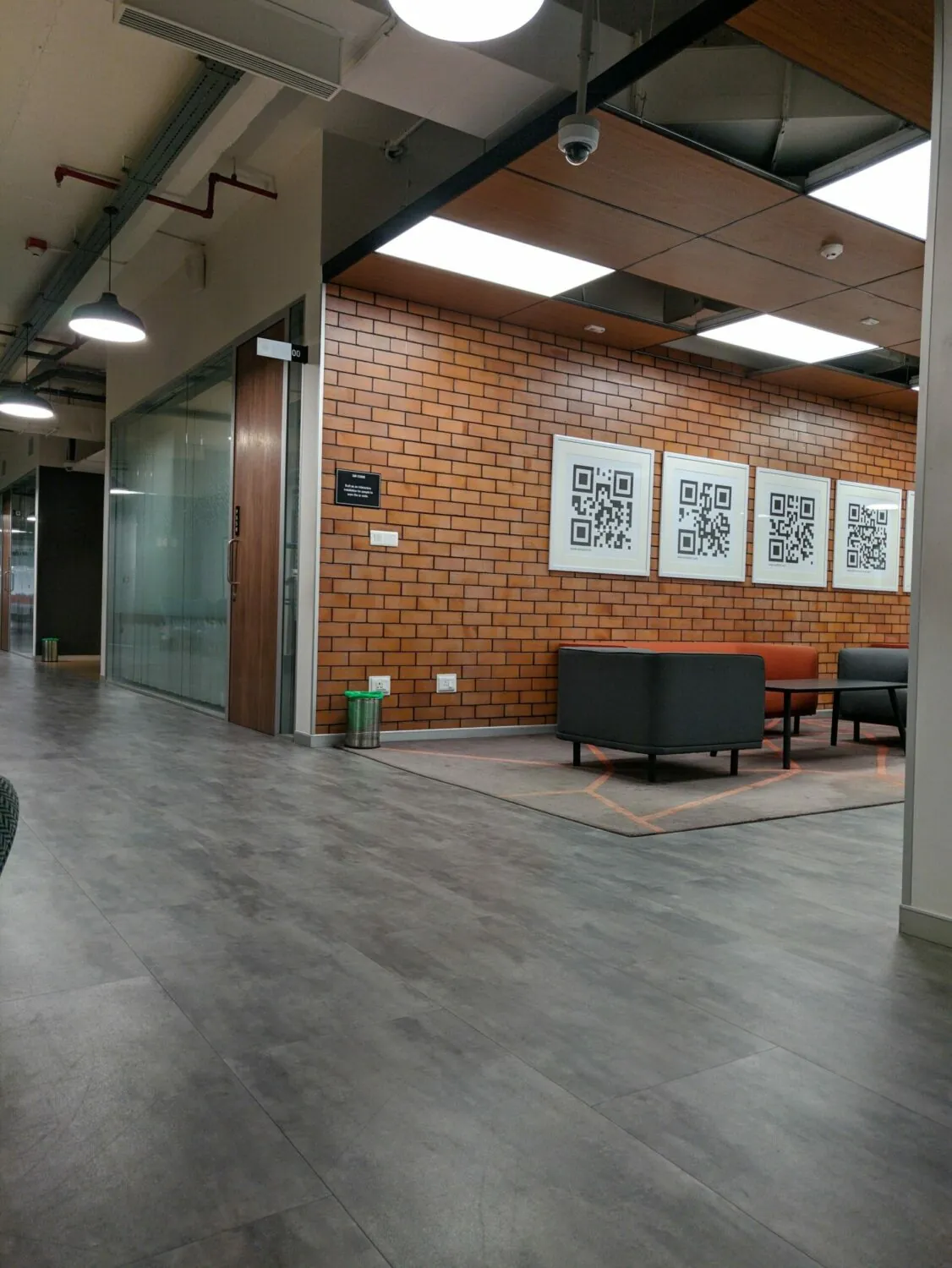
We mentioned winning and measuring leads above, but do you have a foolproof, quick way of collecting data from visitors? There are many ways to do this, from badge scanners and QR forms to traditional paper systems. Your staff should be able to summarise interactions and note what visitors were interested in so that you can follow up leads at a later date.
Go networking
You’re not just an exhibitor at a conference – you’re also a visitor. Don’t forget to set aside time to meet people in your industry or its wider sector, because at a trade fair, you’re in a rich seam of highly relevant people. Read our guide on networking to up your game.
Follow up properly
Following up your hard-won leads is a vital part of the process. It’s generally accepted that you should wait about two days before making contact. Many of the visitors will have travelled long distances and probably don’t want to be hassled. But you also shouldn’t leave it too long, so your interaction fades from their memories.
This is where all that note-taking comes into its own. If you can mention a specific product they were interested in (or even some aside like their favourite football team if that came up in conversation), you’re much more likely to jog their memory and make a genuine connection with them.
Make sure you know exactly what your next step is along the sales funnel. Without resorting to the hard sell, perhaps offer to send a demo or arrange a meeting somewhere to discuss things further. It’s rare for a trade fair lead to directly become a sale, because most visitors will be weighing up the offers of dozens of exhibitors, so at this stage it’s a case of enhancing the relationship and nudging them in your direction.
Did you meet your goals?
Congratulations – you’ve completed your first trade fair, got a list of leads and followed them up. Now what? It all comes back to the beginning – what success looked like when you first did the maths.
Did you reach your goals? That’s great, but you probably need to think about raising the bar a little for next time.
Did you fall short? It’s possible that your expectations were too high for that particular exhibition, but there could have been things that you did wrong, and they are invaluable lessons.
Your next step is a full debrief with all the people involved, including those who stayed in the office and did the follow-up calls. Encourage openness and honesty about what were the successes and failures, and make sure you act on them.
No matter how much you read up and prepare, your first exhibition will always be a huge leap into the unknown, and it will probably take four or five more before you start to settle into a routine and gain confidence. But taking that first step – especially if you’ve been putting it off for years – is the most important one. It’s going to get a lot easier from now.