Remember – your stand is a workplace
Under the Health and Safety at Work Act 1974, an exhibition stand is considered a temporary workplace. That means that businesses need to fulfil all of their usual responsibilities at the stand that they do in the regular workplace. For this reason, exhibition organisers legally require exhibitors to submit a risk assessment (and often a method statement).
Of course, the exhibition stand is not your regular workplace, so many of the specific rules that you follow there might not be appropriate for the stand. However, the overarching aim of health and safety regulations still apply. You are obliged to make your stand safe for people to visit, easy to access, free of physical, chemical, fire and electrical hazards, constructed safely and securely, and easy to escape in the case of an emergency.
The venue will have its own regulations, but you are still responsible for the stand you bring and set up, and they are additional to any regulations placed by the organisers. After all, they might have hundreds of exhibitors, and it would be all but impossible for them to do comprehensive health and safety checks on all of them.
Risk assessments
We’ve devoted an article to risk assessments at exhibitions, so it’s definitely worth a read. But to summarise, it’s a legal requirement for every exhibitor to complete a health and safety form and a risk assessment for their stand. It’s normal for these forms to need to be submitted at least two weeks prior to the start of the event, so the organisers can digest them.
One of the key points about risk assessments is that there’s no such thing as a risk-free world. Life has dangers that come from the most unexpected of places, and some things (e.g. electrics) always come with a degree of risk. That’s why your risk assessment should be realistic and honest about the levels of risk posed by the layout of your stand and the objects within it. The organisers will be happy with a risk assessment that is open about any risks, as long as you explain the measures you have taken to minimise them. Your stand constructor will be able to supply you with certain risk assessments, such as the fire rating of the materials the stand is constructed of, so make sure you have got all relevant information from anyone who is supplying construction, furniture, electronics and so on.
Some stands will necessarily come with more risk than others. For example, multi-storey stands have more stringent construction demands, as well as the risks posed by staircases and emergency exit. If you have a water feature, for example, there are also risks from things such as electrical and flood damage, and maybe even drowning. In such cases, the organisers might want a more detailed explanation of how you will be managing the added risks that come from these elements.
Build and breakdown
Your stand doesn’t magically appear at the start of the expo and disappear when it finishes. As soon as your staff arrive at the empty space, it becomes a de facto building site. The people setting up and dismantling your stand will often be carrying and erecting in with heavy, awkward components, which might be electrically conductive, slippery or risky in other ways.
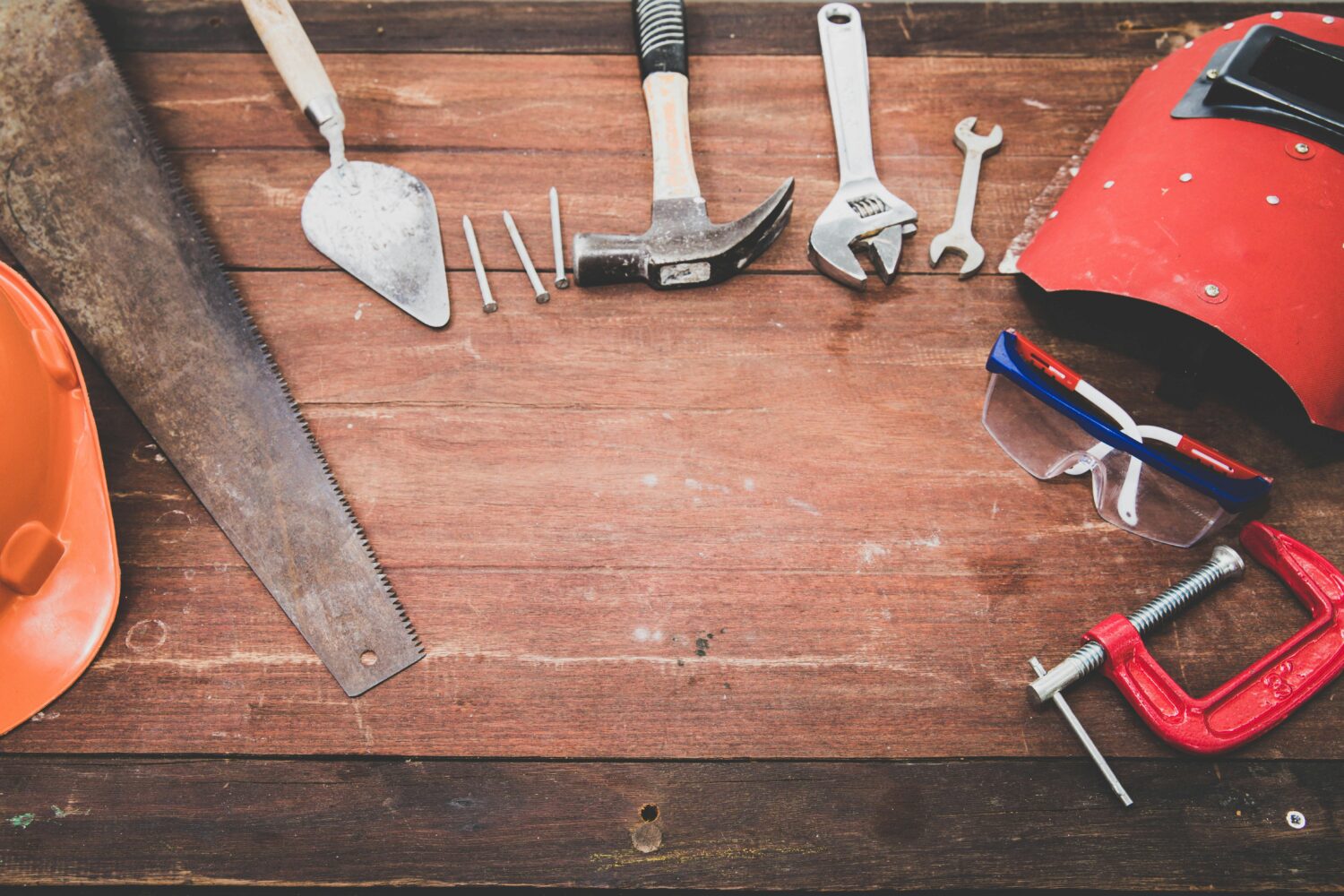
That’s why it is vital that your staff are fully trained in the safest way to construct the stand so that it’s solid and secure once it’s built. You should also supply them with all the personal protective equipment (PPE) they need. That will often mean hi-vis vests, helmets, gloves, goggles, steel-toecapped boots with insulating soles, and any other equipment deemed necessary for your particular stand. The PPE should arrive on site before the stand components themselves, so they can gear up before getting started.
During the construction and deconstruction phases, make sure there is always a minimum of two people working together, and that a first aider is within easy reach. Needless to say, if anyone is suspected of being under the influence of alcohol or other narcotics, they should be asked to leave the site immediately.
Stand design
Ultimately, the most important factor in a safe exhibition is the design of the stand itself. The way it is constructed, and the ease with which it can be transported, assembled, dismantled and stored all make a difference to how likely it is that it will be safe. That’s why it’s vital that you partner with a reliable, professional exhibition stand builder who doesn’t cut corners, and who knows their materials and techniques inside out.
We regularly get design ideas from clients, and our first consideration is how it can be constructed and managed safely. That might mean compromise, and it can also lead to some ingenious solutions – but safety always remains the number one concern.
Elements like flammable materials, electrical safety, glazing, flooring and furniture are all planned so that they are safe. If your stand fails the risk assessment, there’s no exhibition, so it’s simple business sense to make sure it’s compliant.
So in summary, the role of health and safety in your stand has several strands. Yes, there’s the legal element and the wellbeing of your staff and visitors. But the commercial reason for ensuring your stand is safe means it’s simply non-negotiable. That’s why you should hit the ground running and work with tried and trusted builders and designers.